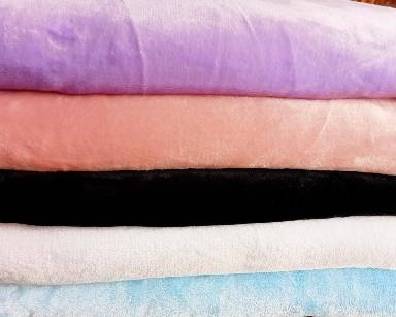
Rabbit Fur Fabric
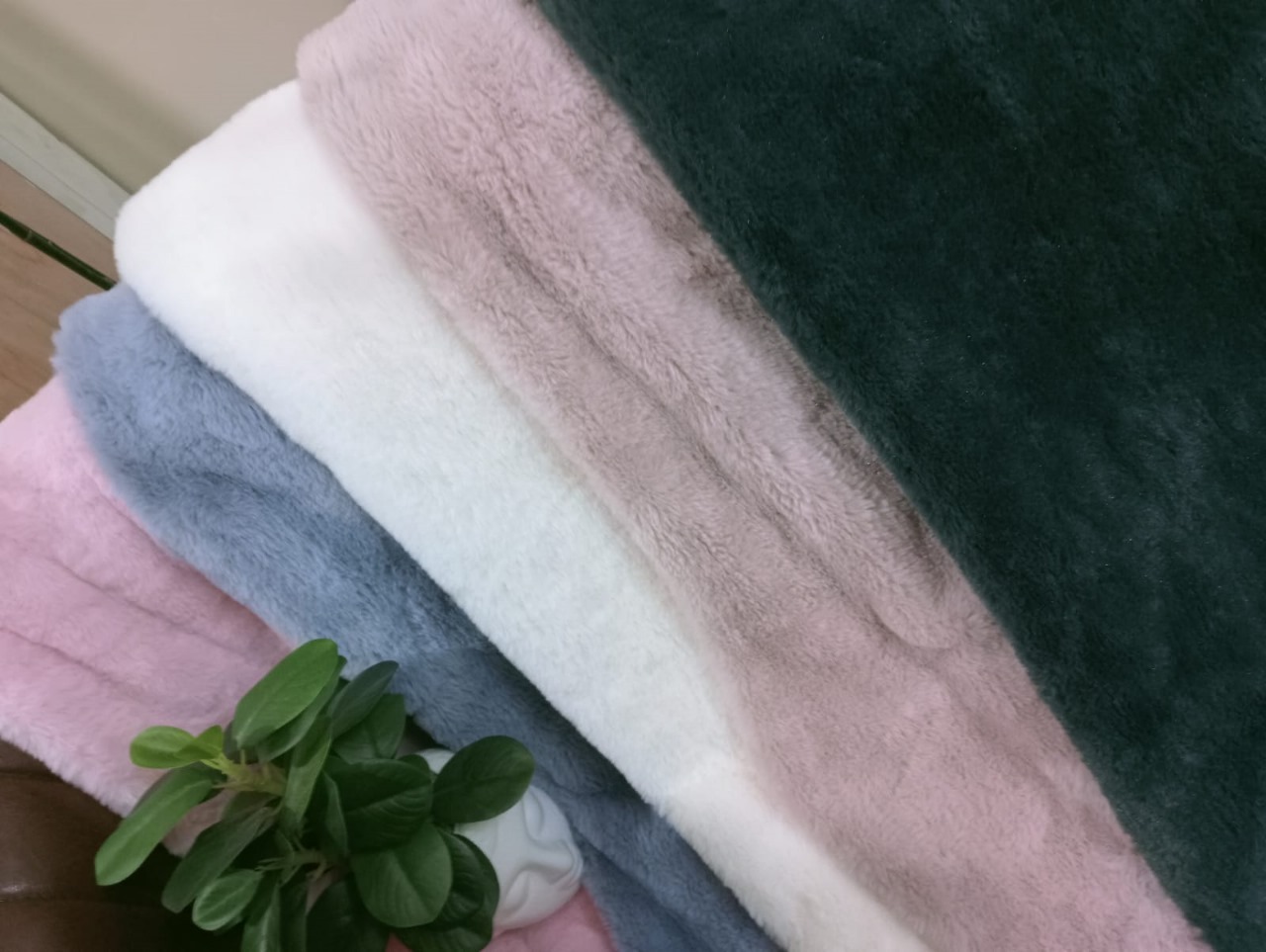
Rabbit Fur Fabric: A Complete Manufacturer Guide to GSM, Types, Applications & Sourcing
Rabbit fur fabric, in commercial textile production, refers to a knitted faux fur fabric engineered to replicate the dense, silky pile and soft handfeel of natural rabbit fur - without using any animal fibre. It is a 100% synthetic product, built on a knitted polyester base with a brushed pile face, and it is one of the most established faux fur categories in the global market. The name describes the texture being replicated, not the material the fabric is made from.
This distinction matters for buyers more than it might seem. "Rabbit fur fabric" sourced commercially today is virtually always synthetic - the category exists specifically because brands wanted the look and warmth of rabbit fur without the cost, supply constraints, and ethical sourcing complexity of real fur. This guide covers how faux rabbit fur fabric is constructed, the GSM and pile specifications that matter, the buyer mistakes we see come up repeatedly during sourcing, how it compares to other pile fabrics, and where it performs best commercially.
What is Rabbit Fur Fabric?
Rabbit fur fabric is a knitted pile fabric - a fabric built with a stable knitted backing and a dense layer of synthetic fibre standing up from the surface to form the "fur." It belongs to the same general fabric family as Sherpa and faux mink: a backing structure that provides shape and durability, and a pile layer that delivers the texture, warmth, and visual character. What separates rabbit fur fabric from other pile fabrics is the character of the pile itself - shorter and denser than long-pile shag fabrics, brushed to a smooth, silky finish rather than left as a looped texture, producing a soft, directional sheen close to the natural fur it's named after.
Almost all commercially produced rabbit fur fabric today is 100% polyester. Polyester gives the fabric consistent colour retention, resistance to shrinkage, and reliable wash performance - properties natural fur cannot match, and properties that matter far more to a bulk buyer than fibre origin. Buyers should treat "rabbit fur fabric" as a texture and pile category, not a fibre-content claim, and always confirm fibre composition on the spec sheet before quoting it to their own customers.
How Rabbit Fur Fabric Is Manufactured
Faux fur fabrics, including rabbit fur fabric, are produced using one of a few knitting methods, and the method used has a direct effect on pile density, durability, and cost.
Sliver Knitting and Tufting
The dominant commercial method for polyester faux fur. Fibre is fed into a circular knitting machine as a loose sliver, which is knitted directly into the backing structure to form the pile in a single pass. This is the fastest and most cost-efficient production method, which is why it is used for the majority of commercially traded faux fur fabric, including rabbit fur fabric at scale.
Pile Setting: Shearing and Brushing
After knitting, the raw pile is sheared to a uniform height, then brushed to separate the individual fibres and create the soft, silky surface associated with rabbit fur fabric. This brushing step is what gives the fabric its characteristic sheen and drape - a poorly brushed pile looks matted and flat rather than soft and full, even if the GSM and pile height are technically correct.
The consistency of pile height and density across the fabric width is the most reliable quality indicator when evaluating a new supplier. Pile that varies noticeably across the roll will show up immediately once the fabric is cut into garments or accessories - this is the same quality check experienced buyers apply to Sherpa, and it applies equally here.
GSM and Pile Specification: What Actually Determines Quality
At Maurya Exports, our Rabbit Fur Fabric is produced at 250 to 550 GSM, which is the commercial working range for this category - light enough to remain workable for trims and accessories, dense enough at the upper end to deliver a deep, statement-piece pile for premium outerwear and home decor.
GSM alone does not fully describe a faux fur fabric - pile height and pile density matter just as much, and two fabrics at the same GSM can look and feel noticeably different depending on how that weight is distributed. A fabric with a shorter, denser pile can feel fuller and more luxurious than a fabric with a taller but sparser pile at the same GSM. When sampling, ask for pile height alongside GSM, and judge the fabric by handfeel and visual density, not the weight figure alone.
This is also where buyers most often get the specification wrong. A common mistake is assuming a higher GSM automatically means a better fabric - it doesn't. A 500 GSM fabric with uneven, poorly brushed pile will look and feel worse than a well-finished 280 GSM fabric. GSM tells you the weight; brushing and pile consistency tell you the quality.
Typical Pile Height of Rabbit Fur Fabric
Pile height is the other half of the specification that buyers need alongside GSM, and it changes the fabric's character more than most people expect going into their first order. Here's how the three working categories break down in commercial production.
Short Pile (approximately 5mm to 10mm) - typically 250 to 320 GSM
A tight, low pile that sits close to the backing. Appearance is sleek and controlled rather than dramatically furry - closer to a velvet-fur hybrid than a thick coat texture. Hand feel is smooth and dense rather than fluffy. This is the range we'd point buyers toward for collars, cuffs, trims, and any application involving stitched edges or seams, since a shorter pile is far easier to sew cleanly and sheds noticeably less during cutting. If your product has a lot of seam work, start sampling here before going longer.
Medium Pile (approximately 10mm to 20mm) - typically 320 to 420 GSM
The most commonly ordered range for rabbit fur fabric, and the one that best matches the natural rabbit fur look most buyers are actually picturing when they ask for this fabric. Visually full without looking exaggerated, and the handfeel hits the soft, plush mark buyers associate with the category. Works well for jacket panels, accessory bodies, and home decor pieces where the fabric needs to read as genuinely premium on a shelf or rack. This is usually our default recommendation for a first order if a buyer hasn't specified pile height.
Long Pile (approximately 20mm to 40mm+) - typically 420 to 550 GSM
A deep, dramatic pile with significant visual depth and movement. Best suited to statement pieces - decorative throws, rugs, premium accessories, and outerwear designed specifically around a bold fur-look finish. At the top of our range, 550 GSM gives genuine depth for rugs and high-impact decor pieces where the fabric itself is the centrepiece of the product. The trade-off: long pile sheds more during cutting and early handling, is harder to sew along seams without trapping fibre, and adds cost since more raw fibre goes into the pile itself. Buyers new to faux fur often underestimate how much extra care long-pile cutting requires on the production floor - worth discussing pattern layout with your manufacturer before committing to bulk.
The relationship between GSM and pile height is straightforward once you've seen a few rolls side by side: a longer pile generally pushes GSM higher because more fibre mass sits on the same base area, but density matters just as much as height. A short, very dense pile can carry similar GSM to a longer, sparser one - and the short, dense version usually feels more premium. This is why we always recommend judging fabric by handfeel and visual fullness on an actual sample, not by GSM and pile height numbers read off a spec sheet alone.
Dyeing and Finishing
Rabbit fur fabric is dyed using disperse dyes suited to polyester fibre, generally as a solid shade rather than a printed design, since the brushed pile surface is not well suited to holding sharp printed detail the way a flatter knit like flannel fleece is. After dyeing, the fabric goes through shearing to set pile height, brushing to separate and lift the fibres, and a final finishing pass to set the sheen and drape. Anti-pilling and anti-shedding treatments can be applied at this stage, which is worth specifying upfront for products that will see frequent handling or washing, such as garments and soft toys.
Common Buyer Mistakes When Sourcing Rabbit Fur Fabric
We see the same handful of mistakes repeat across new buyers sourcing rabbit fur fabric, almost always avoidable with one extra question before the order is placed.
Choosing GSM without checking pile density. A spec sheet GSM number doesn't tell you whether that weight comes from a dense short pile or a sparse long one - and the two look and feel completely different. Always request the pile height alongside the GSM, and feel the actual sample rather than deciding from numbers alone.
Ignoring pile consistency across fabric width. A cut swatch from the centre of a roll can look perfect while the edges run thinner or shorter. This is one of the most common quality issues in faux fur production and it only shows up across a full-width sample - request one before approving bulk.
Approving colours without a bulk approval sample. Lab dips and small cuttings can shift shade once dyed at bulk volume, particularly on deeper or more saturated colours. Always request a bulk-dip approval sample matched against your original standard before production is released.
Not confirming anti-shedding requirements. If the end product involves heavy handling, frequent washing, or close-contact use - children's soft toys, garments, accessories - anti-shedding finishing should be specified at the enquiry stage. It's a finishing step, not something that can be added after the roll is already produced.
Not requesting wash-tested samples. A pile fabric that looks dense and full on the unwashed roll can flatten, shed, or lose loft after a single wash if the brushing and setting weren't done properly. Always ask for a washed sample before signing off on a product that will be laundered by the end user.
Focusing only on price instead of pile quality. The cheapest quote at a given GSM is often cheaper because the pile is less dense or less evenly brushed - not because the supplier is simply more efficient. Compare actual samples side by side rather than comparing price per kilo on paper.
Not checking colour fastness requirements. Rub-off and wash colour fastness vary by dye class and shade depth. For export orders in particular, confirm the colour fastness standard your buyer or retail channel requires, and test against it before bulk commitment - this is a common point of rejection at the receiving end if skipped.
Rabbit Fur Fabric vs Sherpa vs Mink: A Practical Comparison for Buyers
These three pile fabrics are frequently compared during sourcing for outerwear, accessories, and home textile products. Each has a distinct pile structure and a different commercial role:
| Feature | Rabbit Fur Fabric | Sherpa Fabric | Mink Fabric |
|---|---|---|---|
| Pile Structure | Dense, cut pile, brushed for a soft directional sheen | Looped or cut pile resembling sheep wool | Ultra-fine, very short pile, silky and flat |
| GSM Range | 250 to 550 GSM | 160 to 450 GSM | 180 to 400 GSM |
| Warmth | Medium to High | High | Medium - more about softness than warmth |
| Hand Feel | Soft, plush, fur-like with visible sheen | Plush, thick, and cozy | Exceptionally silky and smooth |
| Best Applications | Outerwear trim, collars, jackets, premium accessories, home decor | Jackets, hoodies, blankets, home furnishing | Premium blankets, throws, bedding |
| Price Point | Mid to premium | Mid to premium | Mid to premium |
The practical difference for buyers: choose rabbit fur fabric when the brief calls for a visibly fur-like, premium texture with sheen and depth - outerwear trims, premium accessories, statement home decor pieces. Choose Sherpa when the priority is bulk warmth and a wool-like structured pile for jackets and blankets. Mink fabric suits applications where an ultra-smooth, flat-pile bedding surface is the goal rather than visible fur texture.
Rabbit Fur Fabric vs Flannel Fabric
This comparison comes up when buyers are deciding between a fur-look pile fabric and a brushed, print-friendly fleece for the same general category of product - blankets, loungewear accents, or soft goods.
| Feature | Rabbit Fur Fabric | Flannel Fabric |
|---|---|---|
| Surface Texture | Dense, standing pile with visible depth and sheen | Fine, flat brushed nap, low profile |
| Pile Structure | True standing pile, 5mm to 40mm+ | No standing pile - surface fibres are brushed flat against the base |
| Warmth | Medium to High | Medium |
| Printability | Poor - standing pile breaks up print clarity | Excellent - flat brushed surface holds sharp print detail |
| Appearance | Visually rich, fur-like, reads as premium | Clean, soft, pattern-friendly |
| Typical Applications | Outerwear trim, accessories, statement home decor | Printed blankets, loungewear, baby products, soft toys |
Buyer guidance: Choose rabbit fur fabric when the product needs to look and feel genuinely fur-like and the design brief is built around texture and visual richness rather than a printed pattern. Choose flannel fabric when the product is pattern or print-led, or when a flatter, easier-to-sew surface is more practical for the construction. Some buyers run both within the same product line - rabbit fur fabric for a premium trim or accent piece, flannel for the printed body fabric.
Commercial Applications: Where Rabbit Fur Fabric Adds Genuine Value
Outerwear Trim and Collars: One of the most established uses for faux rabbit fur fabric - jacket collars, cuffs, and hood trims, where a small amount of fabric delivers a visibly premium detail. Short pile, at the lighter end of the GSM range, works best here since it stays manageable for trim-scale cutting and sewing.
Coats and Jackets: Used as a full panel or lining feature in premium outerwear, where the dense, fur-like pile gives a visual and tactile upgrade over standard fleece or Sherpa linings. This is a positioning-driven application - brands choose rabbit fur fabric specifically because it reads as more premium than other pile fabrics.
Accessories: Handbags, scarves, hats, and gloves are a steady commercial category for faux fur fabric, where the material's visual richness justifies its use in smaller, higher-margin accessory items.
Home Decor and Statement Pieces: Cushion covers, decorative throws, and rugs at the heavier end of our range (420 to 550 GSM, long pile) use rabbit fur fabric where a fur-like accent piece is the goal rather than a functional blanket - this is a different commercial role from Sherpa or flannel fleece blankets, which compete more on warmth and value than on visual luxury.
Soft Toys and Novelty Products: The soft, dense pile and hypoallergenic profile of 100% polyester rabbit fur fabric make it suitable for premium soft toys and novelty accessories, where a plush, fur-like surface is the main selling point. Compliance with relevant safety and colourfastness standards should be confirmed for products entering EU, US, or Australian retail channels.
Export and B2B Sourcing: India is an established sourcing base for faux fur fabrics, including rabbit fur fabric, with manufacturers offering flexibility in GSM, pile height, and colour. Indian faux fur is exported to buyers across the US, Europe, Australia, and the Middle East for outerwear trim, accessories, and home decor production. For export orders specifically, build colour fastness testing and bulk-dip approval into your timeline early - these checks take longer than first-time exporters usually budget for, and skipping them is a common cause of rejected shipments at the receiving end.
Rabbit Fur Fabric Care and Handling Guide
Faux rabbit fur fabric is considerably easier to care for than natural fur, and this is one of its genuine commercial advantages worth highlighting to buyers and end consumers.
Machine wash cold, gentle or delicate cycle. Most 100% polyester rabbit fur fabric tolerates machine washing - a significant practical advantage over natural fur, which requires specialist dry cleaning.
Mild detergent only. Avoid bleach and fabric softener. Softener flattens the pile over repeated washes and reduces the fabric's plush appearance.
Air-dry, away from direct heat. Heat is the leading cause of pile matting and shrinkage in faux fur fabrics. Tumble drying on heat should be avoided.
Brush the pile gently after washing. A soft brush restores loft and separates fibres that have flattened during washing, similar to grooming a natural fur surface.
Initial wash shedding is normal. Some fibre shedding in the first wash or two is standard for pile fabrics and is not a quality defect - this is more noticeable on longer pile and should be flagged to end customers on the care label rather than treated as a fault.
For finished products, care labels should clearly state machine-washable, cold water, no fabric softener - this is a genuine point of differentiation buyers can use against natural fur and other harder-to-maintain pile fabrics in their own product marketing.
Sourcing Rabbit Fur Fabric from Maurya Exports
At Maurya Exports, we manufacture and supply Rabbit Fur Fabric in 100% polyester, knitted construction, across a working range of 250 to 550 GSM - covering short-pile trims through to long-pile statement pieces. Our range supports custom colours and finishing requirements for outerwear brands, accessory manufacturers, and home decor buyers at commercial scale.
We also manufacture Sherpa, Flannel Fabric, and Polar Anti-Pilling Fabric, so if your product range spans more than one fur-look or pile fabric, we can usually consolidate sourcing across a single supplier. We support sampling ahead of production commitment, including full-width and washed samples, and work directly with sourcing teams on pile, GSM, and finishing specifications before bulk commitment.
Contact our team to discuss your Rabbit Fur Fabric requirements or explore our Fur Fabric range directly.
Conclusion
Rabbit fur fabric has earned a steady place in outerwear, accessories, and home decor because it delivers a genuinely premium fur-like texture without the cost, supply limitations, and handling complexity of natural fur. As a 100% polyester, knitted construction, it also offers buyers real practical advantages - machine washability, colour consistency, and reliable repeat-order quality that natural fur simply cannot match.
For sourcing professionals, the work is in evaluating pile consistency and finishing quality rather than relying on GSM alone, matching pile height to the actual construction demands of the product, and getting colour and wash testing right before bulk commitment. Buyers who check these upfront rarely run into problems; the ones who skip them tend to find out the hard way, after the order has already shipped.
Frequently Asked Questions About Rabbit Fur Fabric
Is Rabbit Fur Fabric made from real rabbit fur?
No. Commercially traded "rabbit fur fabric" is a knitted faux fur fabric made from 100% polyester, engineered to replicate the texture and appearance of natural rabbit fur. The name refers to the texture being replicated, not the fibre content. Always confirm fibre composition on the spec sheet, since the product name alone does not indicate material origin.
What GSM range is standard for Rabbit Fur Fabric?
Commercial rabbit fur fabric is typically produced between 250 and 550 GSM. The lighter end (250 to 320 GSM) suits short-pile trims and accessories, the mid-range (320 to 420 GSM) covers most jacket panel and accessory applications, and the heavier end (420 to 550 GSM) is used for long-pile statement pieces like rugs and decorative throws.
What pile height is best for Rabbit Fur Fabric?
It depends entirely on the application. Short pile (5mm to 10mm) is best for trims, collars, and seam-heavy products since it's easier to sew and sheds less. Medium pile (10mm to 20mm) is the most versatile and the closest match to natural rabbit fur's look - a safe default if you haven't specified otherwise. Long pile (20mm to 40mm+) suits statement pieces like rugs and decorative throws where visual drama is the goal, but it costs more and needs more careful handling during cutting and sewing.
Does Rabbit Fur Fabric shed?
Some fibre shedding in the first one or two washes is normal for pile fabrics, including rabbit fur fabric, and is not a quality defect. Shedding is more noticeable on longer pile and during the initial cutting and sewing stage. Anti-shedding finishing can reduce this for products that will see frequent handling or washing - specify it at the enquiry stage if it matters for your application.
Can Rabbit Fur Fabric be used for blankets?
Yes, particularly at the heavier, long-pile end of the range (420 to 550 GSM), where it works well for decorative throws and statement blankets. For everyday, frequently-washed blankets where value and washability matter more than visual drama, Sherpa or flannel fleece are generally the more practical and cost-effective choice.
What is the difference between Rabbit Fur Fabric and Mink Fabric?
Rabbit fur fabric has a true standing pile - dense fibres that rise from the backing to create visible depth and a fur-like texture. Mink fabric has an ultra-short, flat pile that's silky and smooth rather than visibly furry. Choose rabbit fur fabric when the product needs to look and feel like genuine fur; choose mink fabric when the priority is an ultra-smooth, flat-pile surface for bedding and premium blankets.
Is Rabbit Fur Fabric suitable for export markets?
Yes. India is an established manufacturing base for faux fur fabrics, including rabbit fur fabric, and it's regularly exported to buyers across the US, Europe, Australia, and the Middle East. For export orders, confirm the destination market's colour fastness and safety compliance standards upfront, and request a bulk-dip approval sample before production - this is the step most likely to cause delays or rejected shipments if skipped.
What MOQ is typical for bulk Rabbit Fur Fabric orders?
MOQ varies by GSM, pile height, and colour/finish complexity. Sampling is generally available ahead of bulk commitment - confirm MOQ and lead times with your supplier during initial enquiry.
Written by the Product and Sourcing Team at Maurya Exports
.jpg)
.jpg)