Polar Antipilling Fabric
.jpg)
Polar Anti-Pilling Fabric: A Complete Manufacturer Guide to GSM, Types, Applications & Sourcing
Polar Antipilling fabric is one of those materials that experienced textile buyers specify confidently and newer buyers frequently underestimate. It looks similar to standard polar fleece on the shelf. It feels similar in hand. But put both through fifty wash cycles and the difference becomes immediately clear - and that difference is exactly why the antipilling specification exists.
This guide covers Polar Antipilling fabric from a manufacturer's perspective: what it is, how the antipilling process works, the GSM ranges that matter for each application, the types and variants available, and where the fabric delivers its strongest commercial value. Whether you are sourcing for apparel, outerwear, home textile, or industrial applications, this will help you specify and source with confidence.
| Polar Antipilling Fabric at a Glance | |
| Composition | 100% Polyester (standard) or recycled polyester / rPET (Eco Polar) |
| GSM Range | 150 to 450 GSM |
| Key Advantage | Resists surface pilling - maintains a clean appearance through 50+ wash cycles |
| Main Applications | Jackets, hoodies, outerwear, blankets, equestrian products, workwear, home furnishing |
| Available Variants | Single Side, Double Side, Printed, Back Side Brushed, Melange, Eco Polar |
What is Polar Antipilling Fabric?
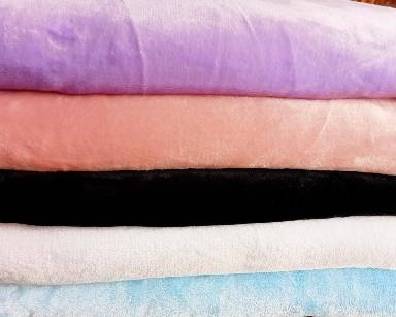
Polar Antipilling fabric is a knitted polyester pile fabric engineered to resist the formation of surface pills - the small fibre balls that develop on standard fleece through friction, wear, and repeated washing. The "Polar" element of the name refers to the fabric's exceptional thermal insulation properties, originally associated with cold-weather performance in polar climates. The "Antipilling" element refers to the specialised manufacturing treatment that prevents the surface degradation that makes regular polar fleece look worn and dated over time.
These two properties - warmth and surface durability - are what make Polar Antipilling one of the most commercially dependable fabrics in the B2B textile market. A garment made from quality Polar Antipilling fabric maintains its appearance through extended use and repeated laundering in a way that standard fleece simply does not. That longevity is the commercial value proposition for manufacturers and brands sourcing at scale.
How Polar Antipilling Fabric Is Manufactured
The difference between Polar Antipilling and regular polar fleece is not in the raw material - both are predominantly 100% polyester - it is in the finishing process. Understanding this helps buyers evaluate supplier quality and understand why price differences between antipilling grades exist.
Knitting
Polar Antipilling fabric is knitted on circular knitting machines using polyester yarns. The knitting process creates a base structure with fibres that can be raised on one or both surfaces. The yarn quality and knitting tension at this stage directly affect the fabric's final density, weight, and the effectiveness of subsequent finishing treatments.
Brushing and Raising
After knitting, the fabric goes through a brushing and raising process that lifts fibres from the base structure to create the characteristic soft, plush surface associated with polar fleece. This is where the pile character of the fabric is established. Both sides of the fabric are typically brushed, though the intensity varies between single-side and double-side construction formats.
The Antipilling Treatment - What Actually Happens
This is the critical stage that separates Polar Antipilling from regular fleece. The fabric undergoes a sequence of mechanical and chemical treatments specifically designed to eliminate loose fibres and stabilise the surface structure:
Shearing trims the raised pile to a uniform height and removes surface fibres that have not been properly incorporated into the fabric structure - these are the fibres that would otherwise form pills under friction. Tumbling subjects the fabric to controlled mechanical agitation that causes any remaining potential pills to form and be removed during manufacturing rather than during the product's commercial life. Resin treatment or heat setting is then applied to further bond surface fibres and increase their resistance to breakage under wear conditions. The result is a fabric surface that is structurally stable - one where the fibres that remain are the ones capable of withstanding the friction and washing the product will encounter in use.
A point that matters for buyers: not all antipilling treatments are equal. The depth of the mechanical treatment and the quality of the chemical finishing determine how long the antipilling performance holds up. A fabric that has been surface-treated with minimal mechanical processing will show pilling after 20 to 30 washes. A properly finished antipilling fabric maintains a clean surface through 50 or more wash cycles. When evaluating suppliers, ask specifically about the antipilling process and, if possible, request a multi-wash test sample before committing to bulk volume.
Dyeing and Final Finishing
After antipilling treatment, the fabric is dyed using disperse dyes suited to polyester fibres. Final finishing includes softening treatments that restore hand feel without compromising the antipilling surface stability. Colour consistency across the full fabric width and wash-fastness of the dye are the primary quality indicators to verify at this stage.
GSM Range: Choosing the Right Weight for Your Application
GSM (grams per square metre) is the most important specification decision when sourcing Polar Antipilling fabric. Maurya Exports produces Polar Antipilling across a working range of 150 GSM to 450 GSM, with each weight band serving distinct commercial applications:
150 to 200 GSM - Lightweight Range: Lightweight Polar Antipilling at this weight is used for inner linings, thin sportswear, baby garments, and layering pieces where softness and warmth are required without significant bulk. At this weight the fabric drapes well and is suitable for products where the fleece element is a comfort layer rather than the primary insulating material.
200 to 300 GSM - Mid-weight Range: The most commercially versatile range. This is where the majority of apparel production sits - hoodies, pullovers, zip-up fleece jackets, casual outerwear, children's clothing, and home textile applications. The fabric has enough body to perform as a shell material while remaining comfortable and manageable in production. Most printed and melange antipilling variants are produced within this GSM range.
300 to 450 GSM - Heavyweight Range: Heavyweight Polar Antipilling is used for performance outerwear, heavy fleece blankets, equestrian products, industrial and safety applications, and home furnishing. At this weight the fabric's thermal insulation is substantially higher and the pile density is visibly greater. Buyers sourcing for blanket production or heavy outdoor outerwear typically specify within the upper end of this range.
The most consistent specification error seen in Polar Antipilling sourcing is ordering mid-weight fabric for applications that require heavyweight performance - particularly in equestrian, safety wear, and heavy outerwear where the thermal and durability demands are higher than a 220 GSM fabric can sustain under regular use conditions.
Types of Polar Antipilling Fabric: The Variants That Matter
Polar Antipilling is not a single product. The variants available address different construction requirements, performance needs, and end-market specifications. Here is a practical breakdown of the main types:
Single Side Antipilling
The standard and most widely used format. One side of the fabric has the full antipilling treatment - smooth, stable, and pill-resistant. The reverse side is brushed for softness but does not carry the same antipilling finish. This is the appropriate specification for the majority of apparel applications where the outer face of the garment takes the wear and friction.
Double Side Antipilling
Both sides of the fabric carry the antipilling treatment. This format is used in applications where both surfaces are exposed - reversible garments, products used on both sides such as blankets and throws, and industrial applications where durability across both faces is required. Double side construction adds cost but delivers significantly better long-term appearance retention in dual-exposure products.
Printed Antipilling
Antipilling fabric with reactive or pigment prints applied after the antipilling treatment. Widely used in children's clothing, lifestyle products, and seasonal gifting ranges where design versatility matters as much as performance. The antipilling base ensures prints remain clean and sharp even after repeated washing - an important commercial advantage over printed regular fleece where surface pilling obscures print detail over time.
Back Side Brushed Antipilling
The face side carries the antipilling treatment for a smooth, clean outer appearance, while the reverse side is brushed for a soft, warm inner surface. This construction is popular in premium outerwear and casual garments where the brand wants a refined outer appearance combined with comfort against the skin.
Melange Antipilling
Produced using blended or space-dyed yarns before knitting, melange antipilling fabric has a characteristic heathered or mixed-tone appearance rather than a uniform solid colour. Widely used in fashion-forward apparel and lifestyle products where a premium visual texture is required. The melange effect is created at yarn level, which means it is consistent through the full fabric thickness rather than being a surface treatment.
Eco Polar Antipilling
Produced from recycled polyester (rPET) yarns, Eco Polar offers the same performance characteristics as standard Polar Antipilling - thermal insulation, pile structure, and antipilling treatment - while using a more sustainable fibre source. It is a straightforward substitute for standard polyester antipilling in any application where the buyer or brand prefers a recycled fibre base, without any compromise on durability or appearance retention.
Polar Antipilling vs Regular Fleece vs Sherpa: A Buyer's Comparison
These three fabrics are frequently compared during product development and sourcing. Each has a distinct performance profile and commercial positioning. Buyers evaluating Sherpa fabric alongside Polar Antipilling should note that while both deliver strong warmth, they serve different aesthetic and structural purposes - Sherpa for its distinctive looped pile appearance, Polar Antipilling for its clean, uniform surface and superior wash durability.
| Feature | Polar Antipilling | Regular Fleece | Sherpa Fabric |
|---|---|---|---|
| Surface Texture | Smooth, uniform, brushed pile both sides | Soft, brushed - develops pills over time | Dense looped pile one face, smooth reverse |
| Pilling Resistance | High - engineered to resist pilling | Low - pills with regular wear and washing | Medium to High (depends on finish quality) |
| Warmth | High - excellent thermal insulation | Medium to High | High - deep pile structure |
| GSM Range | 150 to 450 GSM | 150 to 400 GSM | 160 to 450 GSM |
| Appearance After Washing | Maintains clean surface through 50+ washes | Develops pilling after 10 to 20 washes | Maintains surface with proper care |
| Price Positioning | Mid to premium | Economy to mid | Mid to premium |
| Primary Applications | Premium outerwear, jackets, hoodies, uniforms | Budget apparel, promotions, linings | Blankets, home furnishing, premium apparel |
| Best For | Products requiring long-term appearance retention | Cost-sensitive applications with shorter product life | Premium visual and tactile quality |
In commercial production, many manufacturers source both Polar Antipilling and regular fleece simultaneously - using antipilling for premium lines and customer-facing products where appearance longevity is a brand requirement, and standard fleece for promotional products, budget lines, and applications where cost is the primary driver.
Commercial Applications: Where Polar Antipilling Fabric Adds Value
Polar Antipilling's combination of warmth, surface durability, and design flexibility makes it commercially viable across a range of product categories. Its primary advantage over regular fleece in all these applications is the same: the product maintains its appearance through extended use.
Outerwear and Jackets: Polar Antipilling is the standard specification for premium fleece jackets, zip-up outerwear, and performance coats. The antipilling finish ensures the outer face of the garment maintains a clean, professional appearance through a full season of regular wear - a requirement that rules out standard fleece in mid-to-premium outerwear markets. Mid-weight variants (200 to 300 GSM) are the most common specification for outerwear shell applications.
Hoodies and Casual Apparel: One of the highest-volume applications for Polar Antipilling globally. The fabric's softness, warmth, and wash durability make it a natural choice for hoodies, sweatshirts, pullovers, and casual fleece garments. Printed and melange variants are widely used in this category to meet the design diversity required by fashion brands and private label buyers.
Children's Clothing and Baby Products: The gentle hand feel, hypoallergenic profile of polyester, and wash durability of Polar Antipilling make it a reliable choice for children's fleece garments, baby jackets, and infant sleepwear. Lightweight variants (150 to 200 GSM) are most appropriate here, where softness and warmth take priority over structural weight.
Blankets and Throws: Heavyweight Polar Antipilling (300 to 450 GSM) is used in premium blankets and throws where surface appearance after repeated washing is a quality differentiator. Antipilling blankets hold their appearance significantly longer than standard fleece blankets at similar price points, which is why they are specified by brands positioning in the mid-to-premium home textile segment.
Equestrian and Workwear: Polar Antipilling is a standard material in equestrian horse rugs, saddle pads, and stable products - applications where the fabric faces continuous friction and frequent washing under conditions that would degrade standard fleece rapidly. Heavyweight variants at 350 to 450 GSM are typically specified. Safety gloves, work jackets, and industrial garment linings are additional workwear applications where antipilling performance directly extends product service life.
Pet Products: Pet beds, pet blankets, and animal comfort products represent a consistent demand source for mid-weight Polar Antipilling. The durability through machine washing and resistance to surface degradation from animal friction makes it practically well-suited for this growing product category.
Home Furnishing: Cushion covers, sofa throws, and bed runners in Polar Antipilling fabric maintain their appearance and softness significantly better than standard fleece equivalents, making them a commercially stronger choice for home furnishing brands focused on product longevity and repeat purchase.
Export and B2B Sourcing: India is an established manufacturing base for Polar Antipilling fabric, with Ludhiana in particular being a concentrated production hub for this fabric category. Indian manufacturers offer meaningful advantages in GSM flexibility, colour customisation, and competitive bulk pricing for international buyers across North America, Europe, Australia, and the Middle East. Buyers consolidating fabric sourcing from India often source Polar Antipilling alongside complementary fabrics - Sherpa fabric for premium blanket and outerwear applications, Terry fabric for towelling and bathrobe applications, and high pile fabric for applications requiring a deeper, more pronounced pile character than standard Polar Antipilling provides.
Polar Antipilling Fabric Care and Washing Guide
Polar Antipilling fabric is low-maintenance by design - the antipilling treatment makes it more resistant to the conditions that cause surface degradation in standard fleece. That said, care practice still affects how well the fabric maintains its performance over time.
Machine wash in cold water (max 30 degrees C) on a gentle or delicate cycle. Avoid high temperatures - polyester fibres are sensitive to heat, and high-temperature washing can affect both the antipilling surface stability and the fabric's dimensional integrity.
Use a mild detergent. Avoid bleach entirely. Avoid fabric softeners - they deposit a coating on the fibres that gradually reduces the fabric's natural softness and can compromise the antipilling surface treatment over repeated wash cycles.
Air-dry or tumble dry on low heat. Unlike sherpa fabric, Polar Antipilling tolerates gentle tumble drying reasonably well. High-heat tumble drying should still be avoided as it accelerates fibre degradation.
Do not iron directly on the fabric surface. If pressing is required for garment production, use the reverse side at the lowest available heat setting.
For product developers: including accurate care label instructions is particularly important for Polar Antipilling products because buyers often choose the fabric specifically for its wash durability - incorrect care instructions that lead to premature pilling undermine the core value proposition of the product.
How to Choose the Right Polar Antipilling Fabric
With multiple GSM options, construction variants, and fibre specifications available, the sourcing decision for Polar Antipilling is more detailed than simply selecting a weight and placing an order. Here is a practical framework for making the right specification choices before committing to production volume.
Start with GSM based on the thermal and structural demands of the product - not the price
The most reliable way to determine your GSM requirement is to define what the product needs to do, then work back to the specification. A standard hoodie for everyday casual wear sits comfortably at 220 to 260 GSM. A fleece jacket intended for outdoor use in cold climates needs 280 to 320 GSM minimum to deliver the insulation its end user will expect. Equestrian rugs, heavy workwear, and blankets require 350 GSM and above. Specifying below the thermal requirement to reduce unit cost is the single most common cause of product performance complaints in Polar Antipilling sourcing.
Single side vs double side: match the construction to the end application
Single side antipilling is the correct specification for the majority of garment applications - the treated face is positioned as the outer surface where friction and wear occur, while the softer reverse provides comfort against the skin. Double side antipilling is justified when both surfaces will be exposed to wear - reversible garments, blankets used on both sides, institutional bedding, and equestrian products where the fabric contacts both horse and environment simultaneously. Double side construction adds cost; it should only be specified where the application genuinely requires dual-surface performance.
Standard polyester vs recycled polyester (Eco Polar)
Eco Polar (rPET) antipilling fabric delivers equivalent performance to standard polyester antipilling in most commercial applications - the same warmth, the same antipilling durability, the same hand feel. The decision to specify Eco Polar typically comes down to whether your brand or retail customer has a stated preference for recycled fibre content. If that preference is not part of your brief, standard polyester antipilling remains the more cost-effective option with equivalent performance.
Request a wash-test sample before committing to bulk volume
This applies specifically to antipilling fabric because the core performance claim - resistance to pilling - can only be verified through actual wash testing, not by assessing a single hand sample. A standard practice for experienced buyers is to request a half-metre sample, wash it a minimum of 10 to 15 times on a standard machine wash cycle, and assess the surface condition before approving bulk production. Suppliers confident in their antipilling process will accommodate this request without hesitation. Suppliers who resist wash testing of samples warrant caution.
Common Mistakes Buyers Make When Sourcing Polar Antipilling Fabric
These are the specification and sourcing errors that show up consistently across buyers at different experience levels. Knowing them in advance prevents them from appearing in your production.
Selecting GSM based primarily on price rather than application requirement
The per-kg price of Polar Antipilling decreases as GSM decreases, which makes lower-weight fabrics appear more cost-effective. This is accurate at fabric level - but incorrect at product level. A jacket that uses 200 GSM fabric when the product brief requires 280 GSM will underperform thermally, lead to customer complaints, and damage the brand's product reputation in ways that far outweigh the per-unit saving on fabric cost. Specify GSM based on what the product needs to do, then evaluate suppliers on their ability to meet that specification consistently.
Not verifying antipilling performance before bulk ordering
Antipilling is a finishing specification, not a yarn specification - which means it cannot be confirmed by looking at or touching a hand sample. Many buyers approve bulk orders based on hand feel and appearance alone, then discover pilling issues after production and commercial washing begins. The only reliable way to verify antipilling performance is a multi-wash test on a sample before production approval. This adds a few days to the sampling process but eliminates the risk of a production run that fails in the market.
Not requesting wash-test samples during the supplier evaluation process
Related to the above, but specifically about the supplier evaluation stage. When comparing suppliers for Polar Antipilling, hand samples alone do not distinguish between a high-quality antipilling finish and a surface treatment that washes out after a few cycles. A wash test conducted across samples from each supplier under consideration provides reliable comparative data that a hand feel assessment cannot. This is standard practice among experienced textile buyers and should be standard practice for any buyer sourcing Polar Antipilling at commercial volume.
Choosing single side antipilling for applications that require double side performance
This error typically occurs in reversible garment production, institutional blanket sourcing, and equestrian product manufacturing - where both faces of the fabric are exposed to wear but the construction is specified as single side to reduce cost. The result is a product where one face maintains a clean surface and the other degrades rapidly. For any application where both fabric surfaces will experience friction, wash stress, or public exposure, double side antipilling is the correct specification regardless of the cost differential.
Sourcing Polar Antipilling Fabric from Maurya Exports
At Maurya Exports, we manufacture and supply Polar Antipilling fabric across a working range of 150 GSM to 450 GSM, available in single side, double side, printed, back side brushed, melange, and eco polar variants. Our range covers the full spectrum of commercial applications - from lightweight apparel linings to heavyweight equestrian and workwear specifications.
We supply international buyers across apparel manufacturing, home textile, and industrial markets with consistent quality across batches, sampling support ahead of production commitment, and direct technical guidance on GSM and variant selection for your specific application.
Contact our team to discuss your requirements or explore our Polar Antipilling fabric range directly.
Conclusion
Polar Antipilling fabric earns its commercial position through a straightforward advantage: it maintains the appearance that regular polar fleece loses. For manufacturers and brands where product longevity is a quality requirement - premium outerwear, institutional workwear, equestrian products, or any application that goes through repeated washing - the antipilling specification is not optional. It is the difference between a product that looks new after fifty washes and one that looks worn after twenty.
The practical work for buyers is in the specification: the right GSM for the thermal and structural demands of the product, the right construction variant for the end application, and a supplier whose antipilling process delivers genuine performance rather than a surface treatment that washes out. Get those decisions right, and Polar Antipilling is one of the most commercially dependable fabrics available in the fleece category.
Frequently Asked Questions About Polar Antipilling Fabric
What is Polar Antipilling fabric?
Polar Antipilling is a knitted polyester pile fabric engineered to resist surface pilling - the small fibre balls that form on regular fleece through friction and repeated washing. It combines the thermal insulation of standard polar fleece with a specialised finishing treatment that stabilises the surface fibres and prevents pill formation, maintaining a clean appearance through extended use and laundering.
What is the difference between Polar Antipilling and regular polar fleece?
Both are 100% polyester knitted fabrics with similar warmth profiles. The key difference is the finishing process. Regular polar fleece develops surface pilling after 10 to 20 wash cycles as loose fibres break and tangle. Polar Antipilling undergoes additional mechanical treatments (shearing, tumbling) and chemical finishing (resin treatment, heat setting) that remove loose fibres during manufacturing and stabilise the surface structure, significantly extending the fabric's appearance life through repeated washing.
What GSM range does Polar Antipilling fabric come in?
Commercial Polar Antipilling fabric ranges from approximately 150 GSM to 450 GSM. Lightweight (150 to 200 GSM) suits inner linings, baby garments, and thin sportswear. Mid-weight (200 to 300 GSM) covers hoodies, jackets, and casual outerwear. Heavyweight (300 to 450 GSM) is used for heavy outerwear, blankets, and equestrian products. The right GSM depends entirely on the thermal and structural demands of the end product.
What are the main types of Polar Antipilling fabric?
The main commercial variants are: Single Side Antipilling (most common for apparel), Double Side Antipilling (for reversible and dual-exposure products), Printed Antipilling (for design-led applications), Back Side Brushed Antipilling (smooth outer, soft inner), Melange Antipilling (heathered appearance), and Eco Polar (made from recycled polyester for sustainability-compliant sourcing).
What is Polar Antipilling fabric used for?
Jackets, hoodies, sweatshirts, outerwear, children's clothing, blankets, equestrian products (horse rugs, saddle pads), workwear, safety gloves, pet products, cushion covers, and home furnishing. It is widely used across both apparel and home textile manufacturing, with particular strength in applications requiring long-term appearance retention through repeated washing.
How should Polar Antipilling fabric be washed?
Cold water (max 30 degrees C), gentle cycle, mild detergent. No bleach. No fabric softeners - they reduce surface softness and can compromise the antipilling treatment over time. Air-dry or tumble dry on low heat only. Avoid high temperatures throughout - both in washing and drying.
Is Polar Antipilling fabric available for bulk sourcing from India?
Yes. India, and Ludhiana in particular, is a major production hub for Polar Antipilling fabric. Indian manufacturers supply international buyers across the US, Europe, Australia, and the Middle East in both standard and custom specifications. Maurya Exports supplies Polar Antipilling in a full range of GSM, construction variants, and colour options for commercial production volumes.
What MOQ is typical for Polar Antipilling fabric orders?
Standard commercial orders typically begin at 500 to 1000 kg per colour per specification, though this varies by manufacturer and product variant. Sampling is generally available ahead of bulk commitment. For first orders, requesting a multi-wash test sample alongside the standard hand sample is advisable - particularly for applications where antipilling performance is a key product requirement.
Written by the Product and Sourcing Team at Maurya Exports
.jpg)
.jpg)


