Flannel Fabric
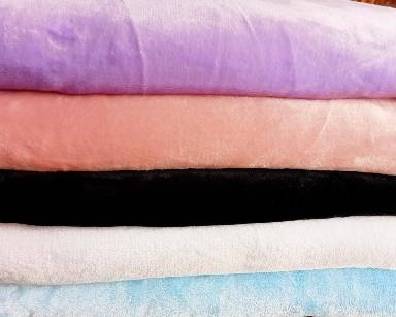
Flannel Fabric: A Complete Manufacturer Guide to GSM, Types, Applications & Sourcing
Flannel refers to a fabric finished with a brushed, napped surface that traps air and creates a soft, fuzzy hand feel. Traditionally, flannel was a woven cotton or wool cloth brushed after weaving. In modern commercial production, flannel is increasingly produced as a knitted fleece-type fabric - brushed on one or both faces and often printed - which is the format used in bulk apparel, blanket, and home textile manufacturing today. Both versions share the same core idea: a brushed surface that creates insulating air pockets without adding stiffness.
For buyers, this distinction matters more than it first appears. A woven shirting flannel and a knitted flannel fleece can both be called "flannel," yet they come off different production lines, serve different end uses, and are priced differently. This guide covers flannel from a manufacturer's perspective - construction, GSM ranges, brushing and printing, fibre options, buyer mistakes we see repeatedly during sourcing, and where the fabric performs best commercially.
What is Flannel Fabric?
At its core, flannel is defined by its finishing process rather than its base construction. After the base fabric - woven or knitted - is produced, it is run through a napping or brushing process that lifts short fibre ends out of the surface using fine wire rollers. This creates the characteristic fuzzy texture and the small air pockets that give flannel its warmth-to-weight performance. The denser and more even the brushing, the softer and warmer the finished fabric feels.
Commercially, flannel is produced in two structural formats. Woven flannel - the traditional format - is built on a plain or twill weave and is typically associated with shirting and bedding. Knitted flannel fleece is produced on circular or warp knitting machines and then brushed and finished, the same production route used for fabrics like Sherpa and Coral Fleece. Knitted flannel fleece is generally more cost-efficient to produce at scale, takes printed designs cleanly, and is the format used in high-volume apparel, blanket, and soft-goods manufacturing.
How Flannel Fabric Is Manufactured
Flannel looks simple on a swatch card, but the brushing and finishing decisions made during production are what separate a well-made flannel from a poorly finished one. Two rolls described identically as "flannel" can feel completely different depending on the base construction, the brushing method, and the finishing sequence applied. This is one of the more common confusion points we run into with first-time buyers - they assume "flannel" is a single fixed specification, when in practice it's a finishing category with several construction routes underneath it.
Knitting Construction
Knitted flannel fleece - the format Maurya Exports produces - is manufactured on knitting machines that build a base fabric structure, which is then napped on the face side to raise the brushed finish. The reverse can be left as a smooth flat knit or brushed as well, depending on whether the application calls for a single-faced or double-faced flannel. The consistency of the nap across the full fabric width is the most reliable indicator of finishing quality - uneven brushing shows up immediately once the fabric is cut and sewn or printed.
Brushing and Napping
Brushing is carried out using fine wire rollers that pull fibre ends out of the knit or weave structure. Lighter brushing produces a finer, more subtle nap suited to printed and apparel-weight flannel. Heavier, repeated brushing passes produce a deeper, plusher nap associated with blanket-grade and outerwear flannel. Over-aggressive brushing can pull out enough fibre to weaken the fabric and cause excessive shedding after washing - a properly finished flannel should hold its weight and surface appearance through repeated washing without significant lint loss. On the production floor, this is checked by weighing a sample before and after a wash cycle; a fabric that loses a noticeable percentage of its weight in one wash has typically been over-brushed to fake a heavier handfeel rather than genuinely produced to that weight.
GSM: The Most Important Specification Decision
GSM (grams per square metre) determines flannel's weight, warmth, and end-use suitability. At Maurya Exports, our knitted flannel fleece is produced across a working range of 160 GSM to 450 GSM - covering lightweight apparel-grade flannel through to heavyweight blanket-grade constructions. Selecting the right GSM is about matching the fabric's weight to what the finished product actually requires, not defaulting to the heaviest option available.
160 to 240 GSM - Lightweight Range: Suited to apparel linings, lightweight loungewear, baby flannel, and printed garments where the fabric needs to stay soft and workable without adding bulk. At this weight, brushing and print definition both stay clean without the fabric feeling stiff.
240 to 320 GSM - Mid-weight Range: The most commercially versatile range for flannel fleece. Covers pajama sets, robes, mid-weight printed soft goods, and lightweight blankets. The fabric has enough body to hold a printed design clearly while remaining easy to cut and sew.
320 to 450 GSM - Heavyweight Range: The standard specification for blanket-grade flannel fleece, cushion covers, and heavier garment applications where warmth and a plush surface are the priority. At this weight the nap is denser, thermal insulation is noticeably higher, and the fabric carries the weight and drape associated with premium blankets and home textile products.
A common sourcing mistake is assuming higher GSM automatically equals better quality. A 400 GSM flannel fleece in a lightweight pajama set would be unnecessarily heavy and stiff. A 180 GSM flannel fleece in a blanket would lack the thermal performance the product requires. The right GSM is the one that fits the product - and getting this specification right from the outset avoids costly sampling rounds.
Nap, Brushing and Print Quality
Beyond GSM, nap evenness across the full fabric width is the primary structural quality indicator for flannel. Request a full-width sample rather than a cut swatch when evaluating a new supplier, since brushing inconsistencies are difficult to spot on a small piece and only become visible once a product is cut at scale. We've had buyers approve a 30cm swatch and then find streaking or patchy nap density once the bulk roll arrived - it's a recurring issue and one of the easiest to avoid.
For printed flannel specifically, print registration and colour consistency matter as much as the brush finish. A print that sits cleanly on top of an even nap will hold its definition through washing; a print applied over an uneven or overly fluffy nap will look blurred or patchy from the first wash onward. Buyers sourcing printed flannel for retail products should request a wash-test sample to confirm the print holds its sharpness after laundering, not just on the unwashed roll.
Dyeing and Finishing
Flannel fleece is dyed using disperse dyes for polyester-based fabric, applied either as a solid shade or as a printed design depending on the product brief. After dyeing or printing, the fabric goes through brushing, shearing to even out the pile, and a final heat-set step to stabilise the fabric before shipping. Anti-pilling treatment can be applied at this stage for flannel intended for apparel or frequent washing, in the same way it is applied to Sherpa and our Polar Anti-Pilling Fabric range. If your end product will see repeated commercial or household washing, it's worth confirming anti-pilling finishing at the enquiry stage rather than discovering its absence after a quality complaint.
Flannel's Design Range: Colour, Print, and Commercial Flexibility
Knitted flannel fleece is highly flexible from a design standpoint. Solid neutral shades remain standard for loungewear and basics. Printed flannel - plaid-style checks, seasonal motifs, and custom patterns - is one of the most commercially active segments, used heavily in children's products, pajama sets, and seasonal blanket ranges. Because flannel fleece takes print cleanly across a brushed surface, it offers brands a cost-effective way to deliver pattern-driven products without the higher cost of yarn-dyed woven plaid.
Fibre Blends and Types: Choosing the Right Flannel for Your Product
Fibre composition affects flannel's cost, hand feel, and end-use suitability. Here is a practical breakdown of the main options in commercial production:
100% Polyester Flannel Fleece
The commercial standard for knitted flannel fleece and the format Maurya Exports manufactures across the full 160 to 450 GSM range. Delivers consistent brushing, strong print definition, reliable wash performance, and resistance to shrinkage - all important for production at scale. It is also the most cost-effective base for printed designs, which is why it is the default specification for blankets, loungewear, and soft goods at commercial volumes.
Cotton Flannel
The traditional woven variant, valued for breathability and a natural hand feel. Used for shirting, pajamas, and bedding where direct, prolonged skin contact is the priority. Cotton flannel can shrink noticeably on first wash if not pre-shrunk during finishing - confirm this with the supplier before committing to a cut-and-sewn order where dimensional accuracy matters.
Wool Flannel
Offers superior warmth and a structured drape, traditionally used for suiting and tailored coats. Sits at the higher end of the woven GSM range and commands a higher price point than cotton or polyester variants. Typically requires specialist or dry-clean care.
Cotton-Polyester Blend Flannel
Blends cotton's softness with polyester's dimensional stability and lower shrinkage. A practical mid-market option for woven shirting and bedding where cost control and consistent sizing across production runs are priorities.
Baby Flannel
A lightweight, gently finished flannel - typically brushed for extra softness and produced with safety compliance for infant skin contact in mind. Sits at the lighter end of our 160 to 450 GSM range and is relevant for both knitted flannel fleece used in infant garments and soft toys, and woven baby bedding.
The correct format and fibre is the one that matches the product brief - not necessarily the most traditional option. For blankets, garments, and printed soft goods at commercial volume, knitted polyester flannel fleece is generally the more practical and cost-efficient specification. A wrong fibre choice rarely shows up at the sampling stage; it shows up three months later in customer returns, which is why this decision deserves more attention than buyers usually give it.
Flannel Fleece vs Standard Fleece vs Sherpa: A Practical Comparison for Buyers
These three fabrics are frequently compared during sourcing for blankets, garments, and soft goods. Each has a distinct surface character and commercial role:
| Feature | Flannel Fleece | Fleece Fabric | Sherpa Fabric |
|---|---|---|---|
| Surface Texture | Fine, even brushed nap, takes print cleanly | Uniform napped surface, smooth on both sides | Dense, looped pile resembling sheep wool |
| GSM Range | 160 to 450 GSM | 150 to 450 GSM | 160 to 450 GSM |
| Warmth Level | Medium to High | Medium to High | High |
| Print Suitability | Excellent - clean, sharp print definition | Good | Limited - pile surface softens print clarity |
| Primary Use | Printed blankets, loungewear, baby products, soft toys | Sportswear, activewear, budget blankets | Jackets, hoodies, blankets, home furnishing |
| Price Point | Economy to mid | Economy to mid | Mid to premium |
| Best Suited For | Pattern-driven, design-led soft goods | Budget apparel, activewear, promotions | Premium outerwear and home textile production |
Many manufacturers source all three simultaneously - flannel fleece for printed, pattern-driven products, standard fleece for budget basics, and Sherpa for premium pile-face outerwear and blankets. Each fabric has a distinct commercial role within the same product range, and sourcing teams working across multiple categories typically keep all three on file rather than forcing one fabric to cover every brief.
Flannel Fabric vs Polar Anti-Pilling Fabric
This comparison comes up often with buyers who are choosing between flannel fleece and our Polar Anti-Pilling Fabric for the same product brief, since both are knitted, brushed polyester fabrics in overlapping GSM ranges.
| Feature | Flannel Fabric | Polar Anti-Pilling Fabric |
|---|---|---|
| Surface Texture | Fine, even brushed nap, slightly textured | Smooth, heavily sheared finish with minimal surface fuzz |
| Warmth | Medium to High | High |
| Printability | Excellent - the more print-friendly of the two | Good, but the sheared surface holds slightly less print detail than flannel |
| Pilling Resistance | Good with anti-pilling finishing applied | Very high - anti-pilling performance is the defining feature of this fabric |
| Typical GSM Range | 160 to 450 GSM | 180 to 400 GSM |
| Best Applications | Printed blankets, loungewear, baby products, soft toys | Frequently laundered garments, uniforms, activewear-adjacent products, products with heavy commercial use |
Buyer guidance: Choose flannel fabric when the product brief is design-led - a printed blanket, a patterned pajama set, a soft toy with a specific colourway - where print clarity on a soft brushed surface is the priority. Choose Polar Anti-Pilling Fabric when the product will go through frequent washing or heavy daily use and surface durability matters more than print definition - workwear, institutional textiles, or products positioned around long-term appearance retention. Some buyers run both in parallel: flannel for the printed retail-facing SKU, anti-pilling for a plain or low-print variant of the same product line.
Common Buyer Mistakes When Sourcing Flannel Fabric
We see the same handful of sourcing mistakes repeat across new buyers, almost always at the same stages of the process. Most are avoidable with a short conversation before the PO is placed.
Selecting GSM based on price alone. The lightest GSM option in a quote isn't automatically the wrong choice, but choosing it purely to hit a cost target - without checking whether it actually meets the warmth and drape the product needs - is one of the most common errors we see. Confirm GSM against the end application first, then negotiate price within that range.
Ignoring brushing and nap consistency. Buyers often focus entirely on the GSM number and skip evaluating the nap itself. Two rolls at the same GSM can have very different brushing quality. Always assess the actual handfeel and visual evenness of the nap, not just the weight on the spec sheet.
Approving a small swatch instead of a full-width sample. A 10cm cut piece cannot show width-wise brushing variation, shading differences, or print registration issues. These problems are common in flannel fleece and only become visible across a wider sample or a full roll.
Not confirming anti-pilling requirements upfront. If the end product will see repeated washing - bathrobes, children's sleepwear, frequently laundered blankets - anti-pilling finishing needs to be specified at the enquiry stage. Adding it after the first production run is rarely possible without a separate finishing pass.
Skipping wash testing on printed flannel. A print can look sharp on the unwashed roll and still blur or fade after one or two wash cycles if the print isn't properly cured or the dye isn't matched to the fibre. Always request a washed sample, not just an unwashed swatch, before approving bulk production.
Choosing the wrong fibre composition for the application. Specifying 100% polyester for a product that needs prolonged direct skin contact in a hot climate, or specifying cotton flannel for a high-volume printed product where dimensional consistency matters more than natural fibre content, both lead to performance complaints later. Match the fibre to the actual use case, not to what "sounds" premium.
Not verifying colour fastness and print durability. Colour bleeding, especially on darker or saturated prints, is a recurring issue in low-cost flannel sourcing. Request a colourfastness test report or run an in-house rub and wash test before signing off on bulk colours, particularly for products that will be washed alongside lighter-coloured items.
Commercial Applications: Where Flannel Fabric Adds Genuine Value
Printed Blankets and Throws: One of the strongest commercial applications for knitted flannel fleece. Produced most commonly at 320 to 450 GSM, where the fabric has enough body for a premium hand feel while holding seasonal and licensed-style prints cleanly. This is the segment where Maurya Exports' printed flannel range is most commonly specified, and it's also where GSM and brushing depth matter most - a thin or poorly napped flannel blanket reads as cheap regardless of how good the print looks on the shelf.
Loungewear and Sleepwear: Pajama sets and robes made from printed flannel fleece, typically at 240 to 320 GSM, benefit from the soft brushed surface and the ability to carry pattern designs without the cost of yarn-dyed woven plaid. This mid-weight range balances softness against the skin with enough body for the garment to hold its shape after repeated washing.
Apparel Linings and Lightweight Garments: At 160 to 240 GSM, flannel fleece works well as a lining or lightweight layering fabric, staying soft and workable without adding bulk to the finished garment.
Baby and Children's Products: Soft toys, infant blankets, and children's garments are a strong application for 100% polyester flannel fleece, given its hypoallergenic profile, softness, and wash durability. Compliance with relevant safety and colourfastness standards should be confirmed for products entering EU, US, or Australian retail channels - this is a category where regulatory documentation gets checked closely, so it's worth resolving early rather than after the order is placed.
Home Furnishing: Cushion covers, sofa throws, and decorative bed runners use mid-to-heavyweight flannel fleece, generally 280 GSM and above, where the fabric needs enough drape and body to sit well as a finished home textile piece rather than a garment.
Promotional Products: Branded blankets, giveaway throws, and seasonal gifting items are a steady demand category for printed flannel fleece, usually specified at the lighter end of the heavyweight range (320 to 380 GSM) to balance cost against perceived quality for bulk promotional orders.
Traditional Woven Flannel: Cotton and cotton-blend woven flannel remains the standard for classic shirting, bedding, and sheet sets in markets where the woven texture and natural fibre content are specifically requested.
Export and B2B Sourcing: India is an established sourcing base for knitted flannel fleece, with manufacturers offering flexibility in GSM, print design, and colour. Indian flannel fleece is exported to buyers across the US, Europe, Australia, and the Middle East for blanket, loungewear, and soft-goods production. For seasonal collections in particular, lead times and colour/print approval timelines should be built into the production calendar early, since print approval rounds tend to take longer than buyers initially budget for.
Flannel Fabric Care and Washing Guide
Machine wash cold to warm, gentle cycle. Polyester flannel fleece performs best in cold water; cotton woven flannel can tolerate warm water.
Mild detergent only. Avoid bleach, which dulls printed designs and weakens brushed fibres over time.
Avoid fabric softener on printed flannel fleece. It coats the fibres and can affect print clarity and nap loft over repeated washing. A small amount of softener is generally fine for traditional cotton woven flannel where nap softness is the priority over print definition.
Tumble dry on low or air-dry. Avoid high heat, which is the most common cause of nap flattening and shrinkage in both woven and knitted flannel.
Initial wash shedding is normal. Some loose fibre may shed in the first one or two washes - this is standard for brushed fabrics and is not a quality defect.
Sourcing Flannel Fabric from Maurya Exports
At Maurya Exports, we manufacture and supply Printed Flannel Fleece Fabric in 100% polyester, knitted construction, across a working GSM range of 160 to 450 - covering lightweight apparel-grade flannel through to heavyweight blanket-grade constructions. Our range supports custom print designs and colourways for blanket producers, loungewear and soft-goods brands, and wholesale buyers at commercial scale. We also manufacture Sherpa, Polar Anti-Pilling Fabric, and Terry Fabric, so if your product line spans more than one fabric type, we can usually consolidate sourcing across a single supplier.
We support bulk orders with consistent quality across batches, provide sampling ahead of production commitment, and work directly with sourcing teams to confirm print, brushing, and GSM specifications before bulk commitment.
Contact our team to discuss your Flannel fabric requirements or explore our Flannel fabric range directly.
Conclusion
Flannel has stayed relevant across both traditional and modern textile production because the underlying idea - a brushed surface that traps warmth without bulk - remains genuinely useful. What has changed is the format: knitted, printed flannel fleece now drives a large share of commercial demand for blankets, loungewear, and soft goods, alongside the traditional woven flannel still used in classic shirting and bedding.
For sourcing professionals, the work is in matching the format and GSM to the application - lightweight flannel fleece for linings and loungewear, heavyweight flannel fleece for blankets and home textiles, and woven cotton or wool flannel where natural fibre content and traditional texture are specifically required. The buyers who avoid problems are the ones who check nap consistency, request a full-width sample, and confirm fibre and finishing requirements before placing the order - not after.
Frequently Asked Questions About Flannel Fabric
What is Flannel fabric made of?
Knitted flannel fleece, the commercial format used in blankets and printed soft goods, is most commonly 100% polyester. Traditional woven flannel is made from cotton, wool, or cotton-polyester blends, depending on whether breathability, warmth, or cost efficiency is the priority.
What GSM range is standard for Flannel fabric?
Commercial flannel fleece runs from approximately 160 GSM to 450 GSM. Lightweight apparel and baby flannel typically fall between 160 and 240 GSM. Pajama sets and mid-weight soft goods between 240 and 320 GSM. Blankets, throws, and home furnishing products between 320 and 450 GSM. The right GSM depends entirely on the end product's requirements.
What is the difference between Flannel fleece and standard fleece?
Flannel fleece is finished and printed in a way that emphasises a fine, even brushed nap suited to sharp print definition. Standard fleece has a uniform napped surface designed primarily for warmth and softness rather than print clarity. Both are knitted, brushed fabrics, but flannel fleece is the better choice for pattern-driven, design-led products.
How should Flannel fabric be washed?
Polyester flannel fleece: cold water, gentle cycle, mild detergent, no fabric softener, air-dry or low-heat tumble dry. Cotton woven flannel: warm water, mild detergent, low-heat tumble dry. Avoid high heat on both, as it is the leading cause of nap flattening and shrinkage.
What products is Flannel fabric most commonly used for?
Printed blankets and throws, loungewear and pajama sets, apparel linings, baby blankets and soft toys, home furnishing pieces, promotional blankets, and traditional shirting and bedding for woven cotton flannel. Knitted flannel fleece is the dominant commercial format for pattern-driven blanket and soft-goods production.
Is Flannel fabric suitable for blankets?
Yes, it's one of the strongest applications for flannel fleece. For blanket production, specify the heavyweight end of the range (320 to 450 GSM) - this is where the fabric has enough body and brushed depth to deliver the plush, warm feel consumers expect from a blanket, and where printed designs hold their visual impact best.
Does Flannel fabric shrink after washing?
Polyester flannel fleece shrinks minimally when washed according to care instructions - cold to warm water, no high heat in drying. Cotton woven flannel can shrink noticeably, sometimes 3 to 5%, on the first wash if it hasn't been pre-shrunk during finishing. Always confirm pre-shrinking with the supplier for cut-and-sewn cotton flannel orders.
What GSM is best for Flannel blankets?
320 to 450 GSM is the practical range for blanket-grade flannel fleece. Below 320 GSM, the fabric tends to feel thin and lacks the thermal performance buyers expect from a blanket. Within that range, 350 to 400 GSM is a common mid-point that balances warmth, weight, and cost for most commercial blanket programmes.
Is Flannel fabric suitable for baby products?
Yes. 100% polyester flannel fleece at the lighter end of the GSM range (160 to 240 GSM) is widely used for baby blankets, soft toys, and infant garments due to its softness, hypoallergenic profile, and wash durability. For products entering EU, US, or Australian retail, confirm compliance documentation for fibre safety and colourfastness as part of the order.
What is the difference between Flannel and Polar Fleece?
Flannel fabric has a finer, more even brushed nap designed to hold printed designs clearly, making it the better choice for pattern-driven products. Polar fleece - including our Polar Anti-Pilling range - has a smoother, more heavily sheared finish built primarily for warmth and long-term surface durability under frequent washing, making it the stronger choice for heavily used or repeatedly laundered products where appearance retention matters more than print detail.
Written by the Product and Sourcing Team at Maurya Exports
.jpg)
.jpg)
.jpg)


